Welcome to my Store!
Continuing Education

CE/CEU

Suicide Prevention in Religious Communities – The Present and Future

Summary: This webinar will present research findings in the areas of suicide prevention, intervention, and postvention in religious communities. Both robust research findings and preliminary findings will be presented. For example, religious service attendance is associated with lower suicide risk but social support in religious communities accounts for only about a quarter of the association between religious service attendance and health. Additional risks and protections in religious communities will be presented.Intended Audience: Attendees should have an interest in the unique role of religious communities in suicide preventionPresenters:Karen Mason, PhDProfessor of Counseling and Psychology, Gordon-Conwell Theological Seminary—HamiltonMelinda Moore, PhDLicensed Psychologist and Assistant Professor in the Department of Psychology, Eastern Kentucky UniversityContinuing EducationThe University of Cincinnati, Department of Environmental and Public Health Sciences, Education and Research Center offers 1.0 contact hours for this activity. Upon completing the evaluation, learners will receive a certificate of completion. This course can meet continuing education requirements for a variety of professionals including: BGC criteria for IH/CIH professionals, BCSP criteria for safety professionals, CPH criteria for public health professionals. Please contact your accrediting agency regarding questions about receiving credits for this activity.

$0.00

NFSHW24: Using a Novel App Prototype to Assess Heat Stress Risk Among Outdoor Workers

Summary: Wet bulb globe temperature (WBGT) index is the preferred environmental heat metric for heat-related illness (HRI) prevention in the workplace and is typically measured using a heat stress monitor. Measuring the on-site WBGT with a heat stress monitor provides the most accurate localized assessment of a worker’s environmental heat exposure. However, WBGT data may not always be easily accessible for worksite heat stress evaluation.The OSHA-NIOSH Heat Safety Tool, a mobile app that provides current and forecasted heat index and its corresponding risk, has been considered as an alternative tool for assessing environmental heat metrics in the workplace but was found to be inaccurate in assessing high and extreme heat stress risks at any workload type. Thus, there is still a need for alternative WBGT-based tools, such as well-designed mobile apps, that are more accessible and cheaper for HRI prevention among outdoor workers. A novel web app prototype was developed at East Carolina University to calculate the current and forecasted WBGT index for a specific location as a promising tool for HRI prevention among outdoor workers, but it has not been tested for accuracy. This course intends to explain the findings of a research study that assessed the reliability of a WBGT app prototype in providing accurate heat stress risk information for outdoor workers in eastern North Carolina. Intended Audience: This course is intended for farmworkers and other outdoor workers, farmers and other outdoor worker supervisors and managers, and occupational health and safety professionals.Presenter: Jo Anne G. Balanay, PhD, CIH, Professor, East Carolina UniversityThe University of Cincinnati, Department of Environmental and Public Health Sciences, Education and Research Center offers 1.0 contact hour for each webinar during National Farm Safety and Health Week. Upon completing the evaluation, learners will receive a certificate of completion. This course can meet continuing education requirements for a variety of professionals including: BGC criteria for IH/CIH professionals, BCSP criteria for safety professionals, CPH criteria for public health professionals.

$30.00

NFSHW24: Grain Related Entrapment: Are We Focusing on the Right Problem?

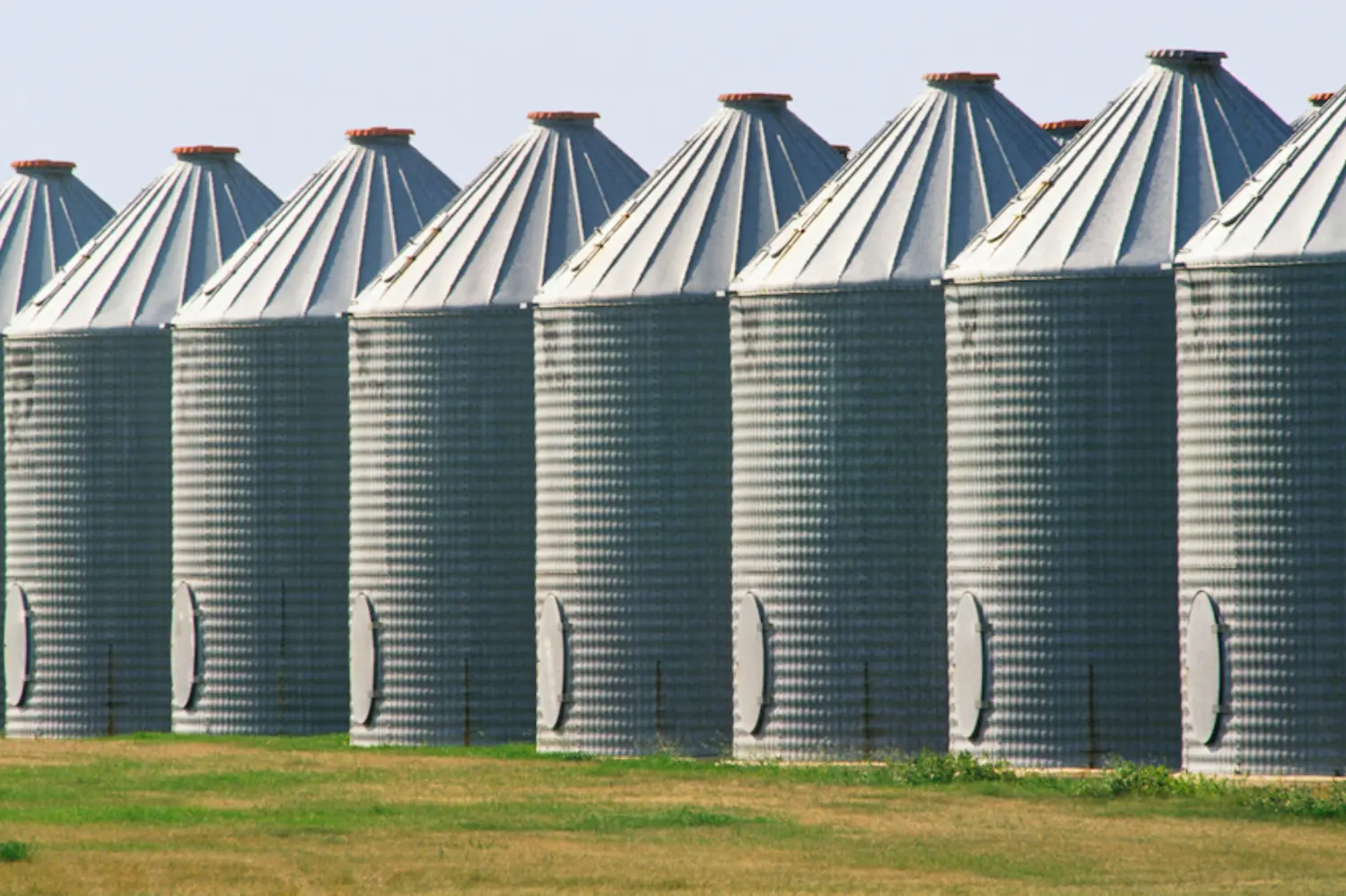
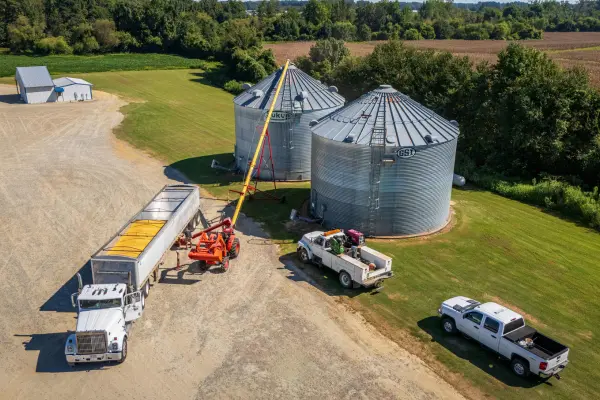
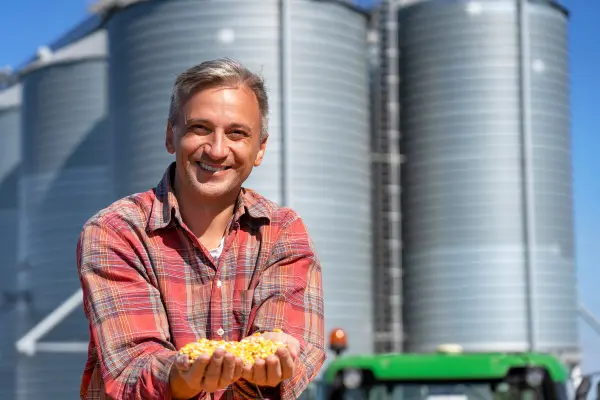
Summary: A review of the literature related to the problem of grain related entrapments and engulfments clearly suggests that the most effective response is to focus on rescuing workers once entrapped. The evidence shows that this approach is both inconsistent with the data and has generated little progress in reducing the frequency and severity of these incidents. After summarizing over 1,200 of these incidents, of which approximately 60% resulted in fatalities, the findings clearly show that the problem is not entrapment due to the flowing grain, but rather the documented presence of out-of-condition or spoiled grain that becomes a barrier to removal of grain from storage. Though not as popular as conducting a grain rescue class for emergency first responders, enhancing the knowledge and skills of grain producers to maintain high quality grain will not only reduce entrapment incidents, but will improve profitability for the producer. This webinar will address the well-documented relationship between the presence of out-of-condition grain and the increased probability of grain-related entrapment. Methods for safe removal of out-of-condition grain will also be addressed.Intended Audience: Agricultural safety and health professionals, emergency first responders, agricultural workers, grain storage and handling personnelPresenter: Bill Field, PhD, Professor, Purdue University, Extension Safety Leader, Purdue Cooperative Extension ServiceThe University of Cincinnati, Department of Environmental and Public Health Sciences, Education and Research Center offers 1.0 contact hour for each webinar during National Farm Safety and Health Week. Upon completing the evaluation, learners will receive a certificate of completion. This course can meet continuing education requirements for a variety of professionals including: BGC criteria for IH/CIH professionals, BCSP criteria for safety professionals, CPH criteria for public health professionals.

$30.00

NFSHW24: Causes of Oxygen Deficiency, Confined Space, and Toxic Fumes Identified in the OSHA Accident Database

Summary: This webinar presents an in-depth analysis of records from the OSHA Accident Database, focusing on incidents coded as “Oxygen Deficiency,” “Confined Space,” and “Toxic Fume” from January 1, 2014, to May 23, 2024. The presentation will identify trends, common causes, and effective preventive measures for these hazardous conditions. Through a detailed examination of these records, the webinar provides critical insights into the factors contributing to oxygen deficiency, dangers within confined spaces, and the presence of toxic fumes in workplaces. The findings highlight the importance of targeted safety interventions to protect workers’ health and enhance workplace safety. Key trends and preventive strategies will be discussed to help industries implement effective measures against these hazards. Intended Audience: Safety and Health Professionals, Industrial and Manufacturing Managers, Regulatory Compliance Officers, Environmental Health and Safety (EHS) Consultants, Emergency Responders, Human Resources Professionals, Labor Union RepresentativesPresenter: Chiemezie Anthony Udemba, MS and Jerry Purswell, PhD, CPEThe University of Cincinnati, Department of Environmental and Public Health Sciences, Education and Research Center offers 1.0 contact hour for each webinar during National Farm Safety and Health Week. Upon completing the evaluation, learners will receive a certificate of completion. This course can meet continuing education requirements for a variety of professionals including: BGC criteria for IH/CIH professionals, BCSP criteria for safety professionals, CPH criteria for public health professionals.

$30.00

NFSHW24: Three-Step Process to Farm Succession Planning

Summary: Research shows that working with other family members and succession planning are top stressors for farmers. This presentation will provide an overview of common barriers to planning for the next generation of owners/managers for family-owned farms. It will discuss recent research on what service professionals need from the owners to better serve their succession planning needs. Kirkpatrick will provide practical tools that those supporting farmers can use to get the important and hard conversations started at the farm/family level. The three-step process provides a framework that farm members can follow and break down into smaller action steps. It blends practical, technical steps with ideas to address the emotional and personal dynamics that can derail succession planning. Intended Audience: Anyone who wants to learn about the human side of farm succession planning and learn about tools and strategies to help farmers start important conversations. (Extension educators, agricultural service professionals, mental healthcare providers, healthcare providers) Presenter: Joy Kirkpatrick, MS, Farm Succession Outreach Specialist, University of Wisconsin-Madison Division of Extension The University of Cincinnati, Department of Environmental and Public Health Sciences, Education and Research Center offers 1.0 contact hour for each webinar during National Farm Safety and Health Week. Upon completing the evaluation, learners will receive a certificate of completion. This course can meet continuing education requirements for a variety of professionals including: BGC criteria for IH/CIH professionals, BCSP criteria for safety professionals, CPH criteria for public health professionals.

$30.00

NFSHW24: Sharing the Road: Agricultural Equipment and the Driving Public

Summary: A collision between agriculture equipment and a passenger vehicles on a roadway often result in serious injury or fatalities. Ag equipment is much larger and heavier than personal vehicles. As agriculture changes, even in rural areas, there are fewer residents that are familiar with ag equipment and may not have an understanding how the equipment on the roadway can affect them. A decision to pass, follow closely, or failure to provide space when meeting equipment on a two-lane road can have consequences. Furthermore, as metropolitan areas expand further into agriculture communities, farmers will meet even more personal vehicles in places they are not expecting them that are not aware of the precautions that they need to take when meeting or passing ag equipment. Farmers also have responsibility when driving on rural roadways, they need to be aware of vehicles around them, how much of the road they are taking up, and that they are using the equipment’s lighting and signage properly. This webinar is to provide an understanding of where the interaction between agriculture machines and non-rural traffic is occurring, what are some of the more common types of incidents that are occurring, and what resources are available to reduce ag equipment and regular vehicle incidents. Intended Audience: Driving public, producers, and ag service providersPresenter: Ed Brokesh, PhD, MBA, BS, Assistant Professor, Carl and Melinda Helwig Bio and Ag Engineering Department, Kansas State UniversityThe University of Cincinnati, Department of Environmental and Public Health Sciences, Education and Research Center offers 1.0 contact hour for each webinar during National Farm Safety and Health Week. Upon completing the evaluation, learners will receive a certificate of completion. This course can meet continuing education requirements for a variety of professionals including: BGC criteria for IH/CIH professionals, BCSP criteria for safety professionals, CPH criteria for public health professionals.

$30.00

NFSHW25: Wheels of Misfortune: Off-Road Vehicles on Public Roadways

Summary: Off-road vehicles, including all-terrain vehicles (ATVs) and utility task vehicles (UTVs) are extremely popular and a common source of injury and death in rural areas, especially farms and ranches. While the use of ATVs/UTVs on public roadways increases the likelihood of a crash with another vehicle, the majority of roadway deaths and an even higher proportion of injuries on public roads are single ATV/UTV crashes not involving another motor vehicle. ATVs/UTVs are designed for off-road use only, and manufacturers have strongly stated that they should not be operated on public roadways. In fact, the majority of deaths associated with these vehicles occur on public roads. Despite this, an increasing number of states, counties, and municipalities across the country are passing laws allowing ATVs/UTVs to operate on public roadways for transportation and recreational purposes. During this presentation, we will discuss the safety issues surrounding ATVs/UTVs on public roads and, in particular, the design elements of ATVs/UTVs that place their operators at greater risk on public roads. We will discuss how rural families can help protect themselves, their families, and employees from ATV/UTV-related crashes and injury.Intended audience: Farmers, ranchers, parents, agriculture production workers, healthcare providers, emergency medical services, public health officials, government and legislative leaders, administratorsContinuing EducationThe University of Cincinnati, Department of Environmental and Public Health Sciences, Education and Research Center offers 1.0 contact hour for each webinar during National Farm Safety and Health Week. Upon completing the evaluation, learners will receive a certificate of completion. This course can meet continuing education requirements for a variety of professionals including: BGC criteria for IH/CIH professionals, BCSP criteria for safety professionals, CPH criteria for public health professionals.

$0.00

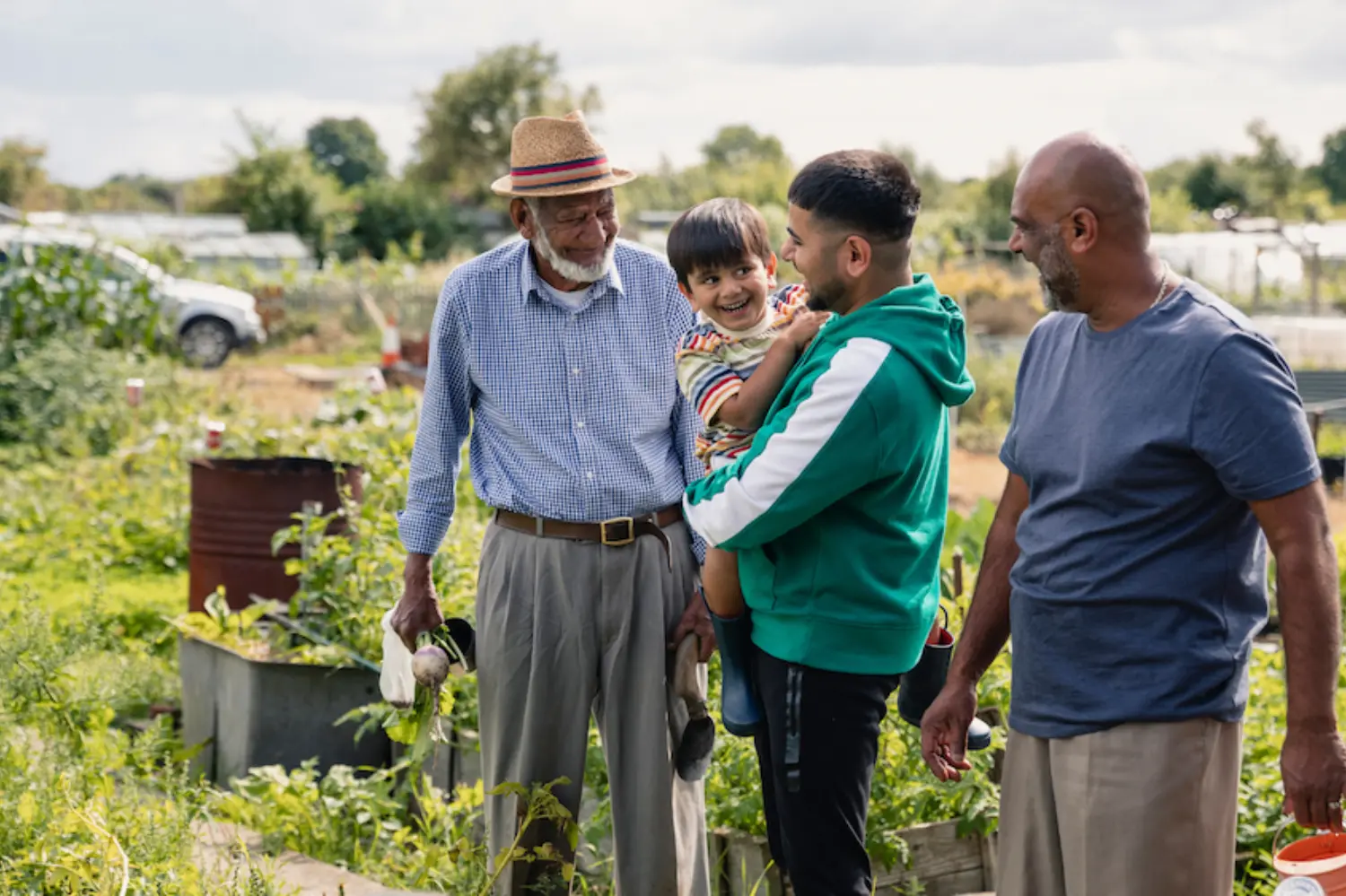
NFSHW25: Strong Roots: Keeping Farming in the Family Through Health and Resilience

Summary: A mother-daughter team (Nurse Practitioner and Agricultural Extension Agent) discusses how farm families can preserve their legacy by prioritizing mental, emotional, and physical health across generations. Representing 2 generations of their farming family, they discuss chronic stressors unique to farm life, including economic pressures and isolation. The presentation offers practical coping strategies, promotes mental health literacy, and emphasizes the importance of open communication, family resilience, and succession planning. The discussion encourages integrating the younger generation through meaningful involvement, innovation, and shared values, while also connecting families to resources and community support systems. By fostering a culture of health and understanding, the presentation empowers farm families to navigate challenges together and secure the future of their farms.Intended audience: Farm families, extension agents, healthcare providersPresenters: Theresa G, Long, DNP, FNP-BC, Nurse Practitioner, Riverside Medical Group andTheresa Long Pittman, Agricultural and Natural Resources Extension Agent, Virginia Cooperative ExtensionThe University of Cincinnati, Department of Environmental and Public Health Sciences, Education and Research Center offers 1.0 contact hour for each webinar during National Farm Safety and Health Week. Upon completing the evaluation, learners will receive a certificate of completion. This course can meet continuing education requirements for a variety of professionals including: BGC criteria for IH/CIH professionals, BCSP criteria for safety professionals, CPH criteria for public health professionals.

$0.00

Loading...